
Education
Is it true that Pele, the Brazilian football legend, visited Nigeria?








A viral social media report claims that China plans to close its diplomatic missions in Abuja and Lagos and relocate them to Nike Lake in Enugu and World Bank Road in Owerri. The report further claims that the alleged move is because Igbo people travel to China more frequently than other Nigerians.
But is this claim true?
🔎 WABMA DEBUNKER INVESTIGATES.
In this episode, we examine the viral claim against official Chinese diplomatic records and other credible sources.
Our investigation found no credible evidence that China has announced the closure of its Embassy in Abuja or its Consulate General in Lagos. We also found no verified announcement establishing new Chinese embassies in Enugu or Owerri, or supporting the alleged ethnic explanation for the supposed relocation.
✅ VERDICT: FALSE

The viral claim is unsupported by the official records examined in this investigation. China’s diplomatic missions in Abuja and Lagos remain listed in official Chinese records.
📌 WHY THIS MATTERS
False claims about embassies, visas and international relations can cause unnecessary concern and encourage misinformation. Always check official embassy communications and foreign ministry announcements before sharing sensational reports.
📢 HAVE A CLAIM YOU WANT US TO FACT-CHECK?
African News
✴️ Ep.116– Does Viral Video Show a Market Between Congo and Gabon Where Parents Sell Their Children?

A viral video claims to show a “child market” between Congo and Gabon where parents allegedly sell their children. But is this true?

In this episode of WABMA Fake News Debunker (Ep. 116), we carefully examine the footage, verify available evidence, and separate fact from fiction.
🔍 What we investigated:
- The viral video and its visual details
- Reports from credible international media
- Data from global child-protection organizations
- Any evidence of a “child market” in the Congo–Gabon region
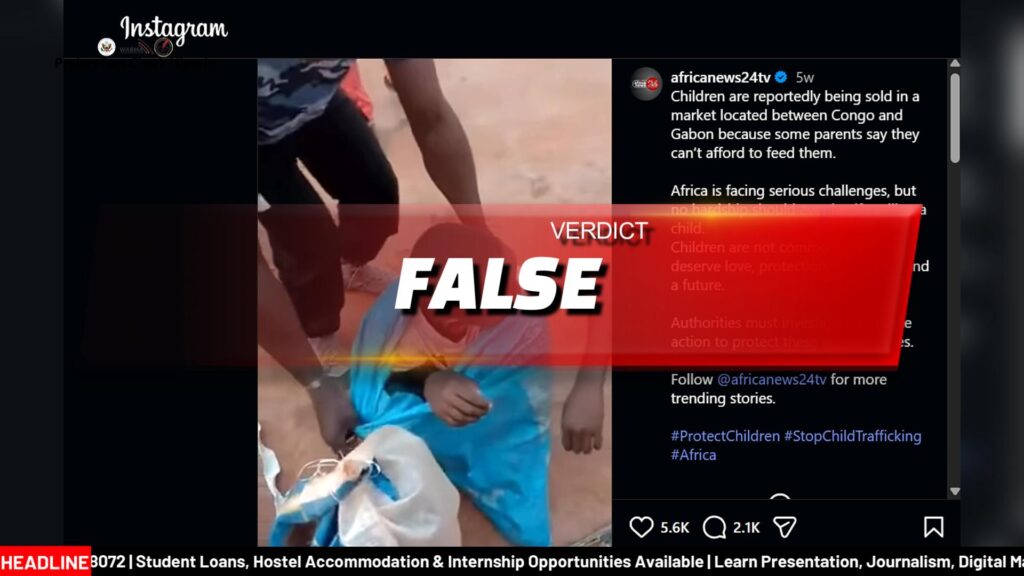
❌ Our Verdict: FALSE
There is no verified evidence that such a market exists. The viral video does not prove child trafficking and has been shared without proper context.
⚠️ Why this matters:
Misinformation like this spreads fear, reinforces harmful stereotypes, and distracts from real child protection issues.
🎓 Learn Media & Fact-Checking Skills with WABMA
Become a skilled media professional in just 5 weeks.
📞 +2349025478072
📞 +2349076985638
📞 +2348187269995
🌐 wabma.org


⚠️ WABMA DEBUNKER EPISODE 131: Did Nigeria Launch FreeTV Nationwide? | TRUE
Did Nigeria launch FreeTV nationwide?