Business
Did Bill Gates say that 3 billion people need to die?






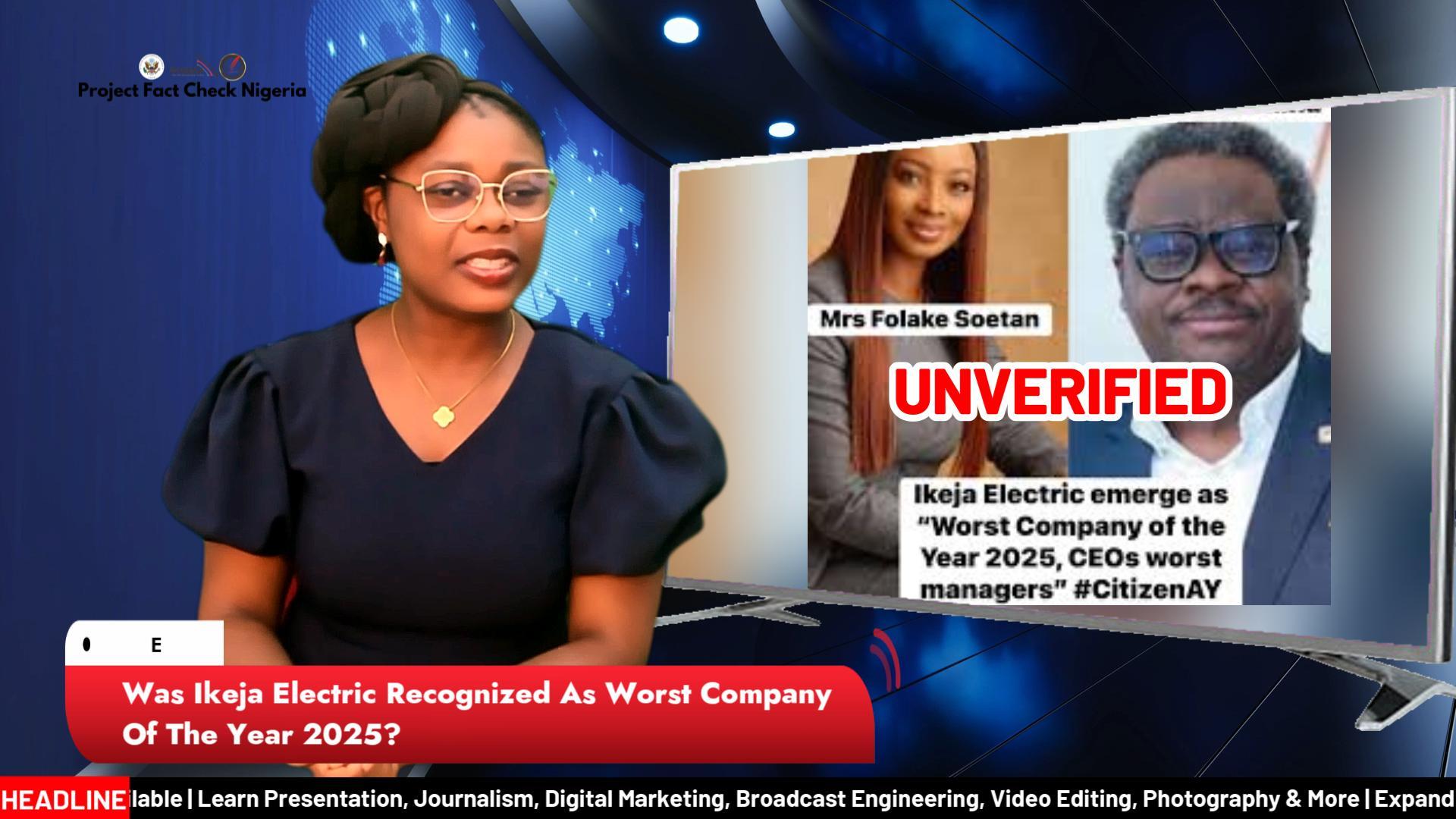

We fact-checked the viral claim that Ikeja Electric was named “Worst Company of the Year 2025” and that its executives received “Worst Business People” awards. Read the verdict.

A provocative message has been spreading rapidly across WhatsApp groups and other social media platforms in Nigeria. The claim is direct: Ikeja Electric was recognized as the Worst Company of the Year 2025.
The message goes further, alleging that the company’s Chief Executive Officer, Folake Soetan, and Board Chairman, Kola Adesina, received a specific award titled Worst Business People. The supposed presenter of this award was the Nigerian Global Business Forum.

We asked a simple question: Did this actually happen?
We conducted a thorough investigation to verify this claim:
- Searched for Official Announcements: We found no official press statement, event report, or award listing from the Nigerian Global Business Forum regarding a “Worst Company” award.
- Reputable News Platforms: Credible Nigerian and global media outlets that cover the power sector have no record of this award. If a major national distributor had been publicly named “worst company,” it would have been widely reported.
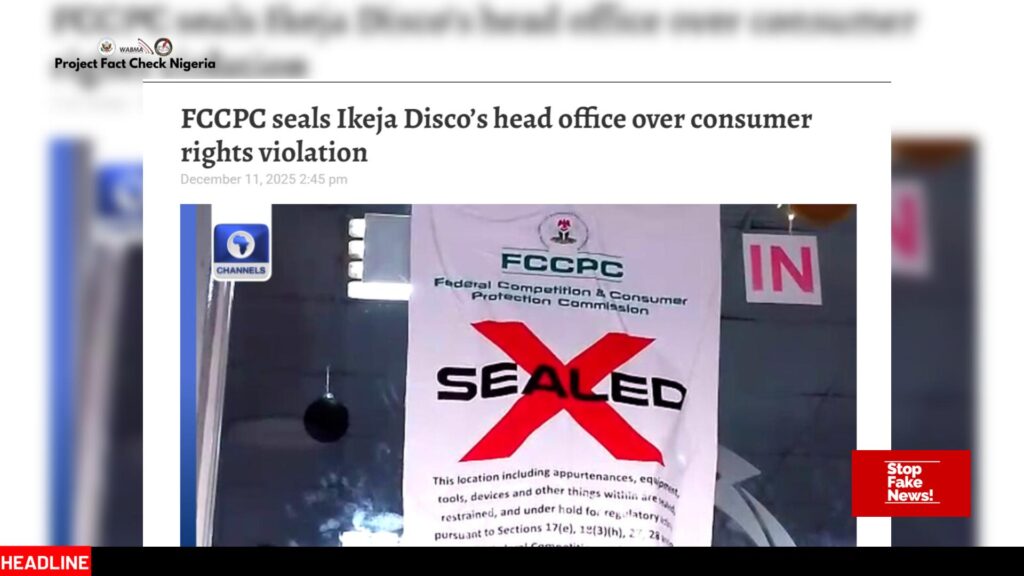
- Examined Context (Regulatory Action): While the Federal Competition and Consumer Protection Commission (FCCPC) did seal Ikeja Electric’s headquarters in December 2025 over compliance issues, regulatory enforcement is not the same as a global “worst company” award.
- Checked Previous Recognitions: In prior years, Ikeja Electric has received industry awards for performance and gender diversity, contradicting the claim of a consistent “worst” performance.
- Direct Company Response: Ikeja Electric has publicly denied the report and announced plans for a forensic investigation and possible legal action against those responsible for spreading the claim.
After examining all available evidence, one fact stands clear: There is no verifiable record that Ikeja Electric, its CEO, or its Chairman received any official “Worst Company of the Year 2025” or “Worst Business People” award.
This story circulating online is a headline without proof.
Our verdict is: Unverified. Until credible proof exists, this claim must be considered unverified misinformation.

When dramatic and provocative claims appear, especially those that damage reputations, it is crucial to pause and check. Look for official sources and independent confirmation. Absence of evidence does not prove innocence, but bold accusations require credible proof.


CLAIM: Did China Announce the Closure of Its Diplomatic Missions in Abuja and Lagos?
Did Cardi B Confirm Dating Nigerian Goalkeeper Maduka Okoye? The $300,000 Monthly Rumour Debunked